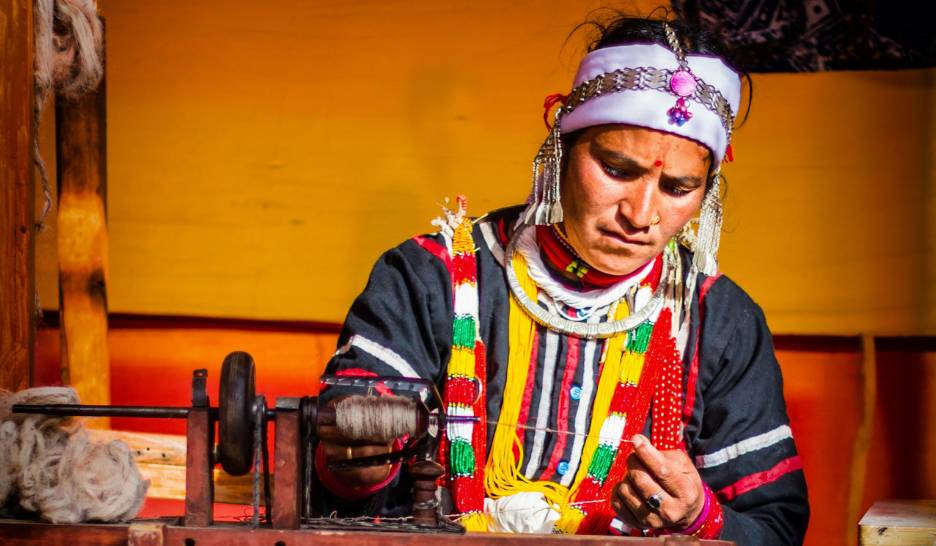
How Nepali Craftsmanship Gives Your Clothing a Unique Story No Fast Fashion Brand Can Match
4/8/2026By PS Plus Luga Hub Team
Why Craftsmanship Matters in Today’s Fashion
Today’s fashion world is flooded with fast‑fashion brands that launch new styles every few weeks, all at low prices. Behind this system lies a focus on speed, mass production, and disposable trends rather than on quality or lasting value. In contrast, garments made with real craftsmanship center on care, durability, and intention. When you choose clothing shaped by Nepali hands especially pieces coming from Kathmandu and surrounding communities you are not just buying an outfit; you are choosing a story that no generic factory‑made label can offer.
What Makes Nepali Craftsmanship Special?
Nepal has a long history of making textiles and clothes, from the detailed Dhaka weaving in the east to the more subtle embroidery and patchwork styles in the Kathmandu Valley. Many artisans still use techniques that have been passed down through generations, combining traditional methods with modern shapes. Hand-focused processes are a big part of Nepali craftsmanship. For example, cutting, stitching, embroidery, and finishing are all done by hand or with semi-manual tools. Also, the maker pays close attention to detail, so seams, hems, and small design choices all show how much care they put into their work. The designs also include cultural motifs and meanings. For example, patterns often have religious, agricultural, or seasonal themes. Natural or locally sourced materials like cotton, wool, and plant-based dyes make the designs even more authentic.
Fast Fashion vs. Crafted, Story‑Driven Clothing
Fast fashion brands focus on turning ideas into collections in a matter of weeks. They make thousands of the same pieces and keep costs as low as possible. This way of doing things often results in clothes that are of lower quality, last less time, and are less clear about how and where they are made. Nepali craftsmanship, on the other hand, makes clothes in small batches or even as one-of-a-kind pieces. This takes more time because each step is done carefully instead of being rushed through machines. These pieces usually have a local or regional feel, not a generic global one, and they are made to last longer in terms of style and materials.The result is that while a fast‑fashion hoodie might fray or fade after a few months, a well‑made, hand‑crafted Nepali garment can remain in your wardrobe for years, quietly becoming a favorite instead of a forgotten item.
The Story Behind Your Clothes
Most fast fashion clothes don't have a clear story behind them. You don't often know who cut the fabric, sewed the seams, or where the materials came from. The story is often much clearer and more intentional with Nepali-made clothes. Many brands proudly say that their clothes are "made in Kathmandu" or "hand stitched in a small studio in the valley." This gives the piece a specific place and community. Some labels even tell you the names of the tailors or weavers who made the item, which adds a personal touch that is very different from the anonymity of big factories.
Details like hand‑embroidery, hand‑block printing, patchwork, or unique trims are not just decorative; they are evidence of a process that cannot be easily replicated at an industrial scale. When you wear a piece from Nepal, you are not just wearing a style trend; you are carrying a narrative of culture, patience, and skill, and that intrinsic story is something mass‑produced brands simply cannot offer.
Why This Appeals to International Buyers
Foreign customers are increasingly drawn to brands that offer uniqueness, authenticity, and ethical production rather than just low prices and short‑term trends. They want garments that feel distinct, not like something they will see on everyone else’s backs. They also value authentic cultural elements that come from real tradition, not mass‑produced “ethnic‑style” prints. Nepali craftsmanship naturally fits this demand. Each piece feels special and slightly different, with subtle details that spark curiosity and conversation. At the same time, many small workshops in Nepal work with fairer labor conditions and more sustainable practices than anonymous mega‑factories, which aligns with global values around ethical consumption. For someone living abroad, a garment from Kathmandu can feel like a small, wearable connection to Nepal’s landscapes, culture, and people, turning everyday clothing into a quiet but meaningful symbol of global connection.
How to Identify True Craftsmanship
When shopping from Nepali brands or other small‑scale producers, it helps to know what to look for. True craftsmanship often shows itself in limited runs or small batches, with labels mentioning “capsule collection,” “handmade,” or “made‑to‑order” rather than “mass produced.” Visible details such as hand‑embroidery, hand‑printed patterns, unique trims, or visible stitching also indicate that a garment was not entirely machine‑made. Transparency about origin is another strong sign: brands that clearly explain where, how, and by whom the garment was made are more likely to value craftsmanship over hidden labor and hidden costs. Finally, pricing can be an indicator; if the price seems extremely low, it often means corners were cut on wages, materials, or working conditions. Choosing garments that reflect these qualities helps you support real craftsmanship instead of mass‑produced copies and ensures that your wardrobe grows with meaningful, high‑quality pieces rather than short‑term clutter.
How Your Wardrobe Becomes a Collection of Stories
Every time you put on a hand‑crafted Nepali garment, you are quietly telling a story. You are honoring the artisan’s hands that shaped the piece, the heritage patterns that inspired the design, and the slow, thoughtful process that went into making something meant to last. In a world where fast‑fashion floods closets with disposable clothes, these pieces stand out as meaningful, lasting investments that you can wear with pride. Over time, your wardrobe becomes less like a collection of seasonal trends and more like a personal archive of places, cultures, and choices that matter to you.
Conclusion: Wear the Story, Not Just the Style
Fast‑fashion gives you a cheap outfit for today, something you might wear once or twice before it loses its appeal. Nepali craftsmanship gives you a unique story you can wear for years, a garment that feels connected to people, culture, and place. When you choose clothing made with care in Kathmandu, you are not just following a trend; you are supporting artisanship, honoring heritage, and wearing something truly one‑of‑a‑kind. And that’s a story no fast‑fashion brand can ever replicate.